Every year, around 210,000 service members leave the military, according to Department of Defense estimates cited by the Government Accountability Office. Most have led teams, run logistics, and solved problems under pressure. What many don’t have is a civilian job lined up before the uniform comes off. ReSupply’s military transition program exists to close that gap, and the results are on the record: more than 400 veterans and service members supported, with a 95 percent lifetime conversion into full-time employment in the technology sector.
What is ReSupply’s military transition program?
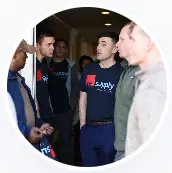
ReSupply is a Veteran-Founded home donation pickup company headquartered in Boston. Its transition program gives service members preparing to leave active duty a way to gain civilian workplace experience before they separate. Through internship opportunities, participants work inside a technology company’s operations, build professional relationships, and apply skills they already have in a new setting.
The program grew out of the company’s own story. ReSupply was born on a military base, when its founder built a home pickup service to help military families in Georgia donate household goods they couldn’t take to the next assignment. Hiring and transitioning veterans has been part of the mission since.
How does the transition from service to civilian work happen?
Many service members prepare for civilian work through the Department of Defense’s SkillBridge program, which lets eligible service members spend up to their last 180 days of service training, apprenticing, or interning with approved civilian employers while still drawing military pay and benefits. Programs like ReSupply’s give that final stretch a destination: real work, on a real team, before separation day.
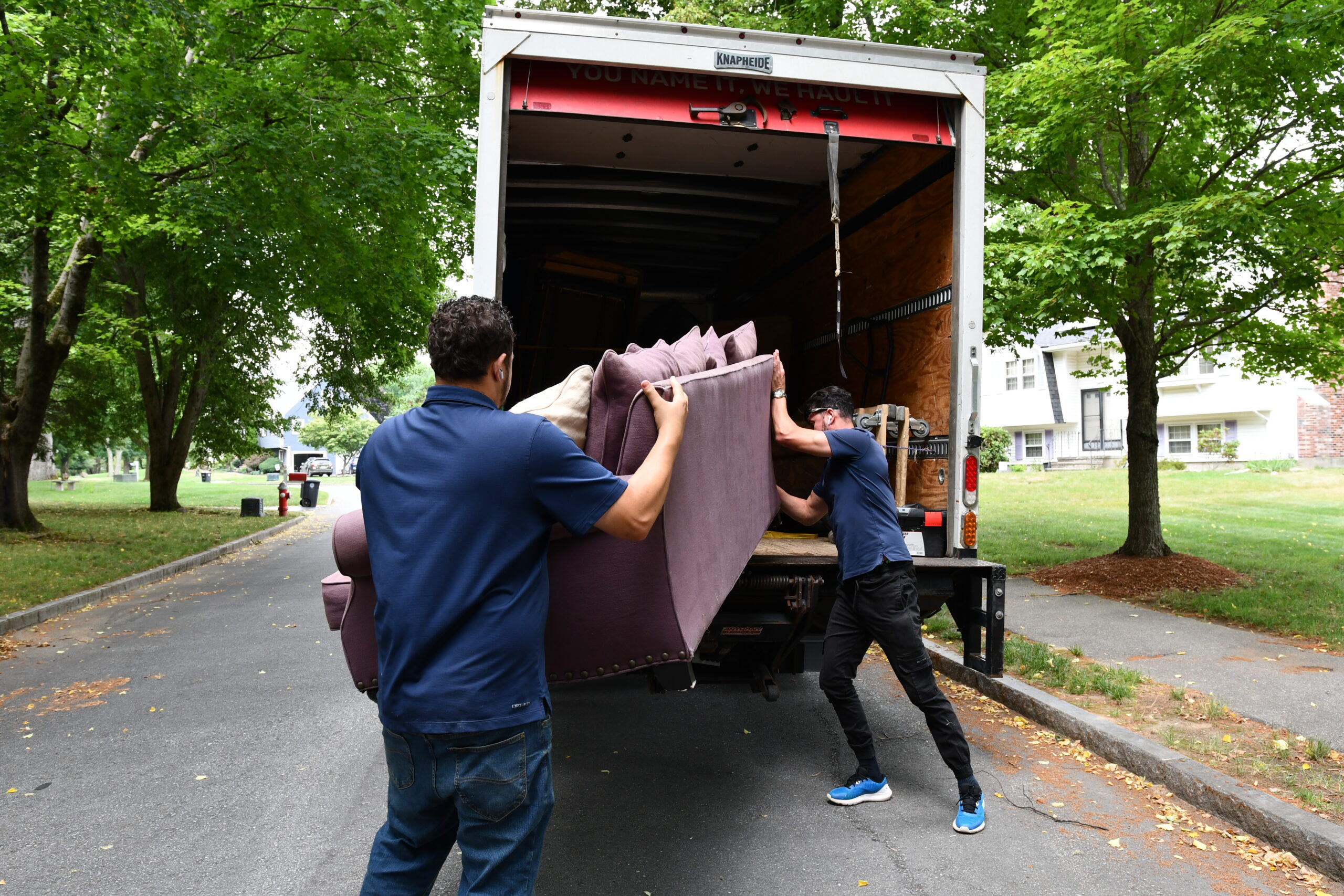
What participants do during the program maps directly to military experience. ReSupply’s work is logistics: matching every donation to the right vehicle and driver, coordinating vetted pickup teams across 48 states, and getting goods to more than 3,000 charity partners. Service members who have moved people and equipment on a deadline recognize the work immediately.
What happens after the program?
Ninety-five percent of participants have moved into full-time technology sector roles, many of them at ReSupply. Others have gone on to tech careers elsewhere.
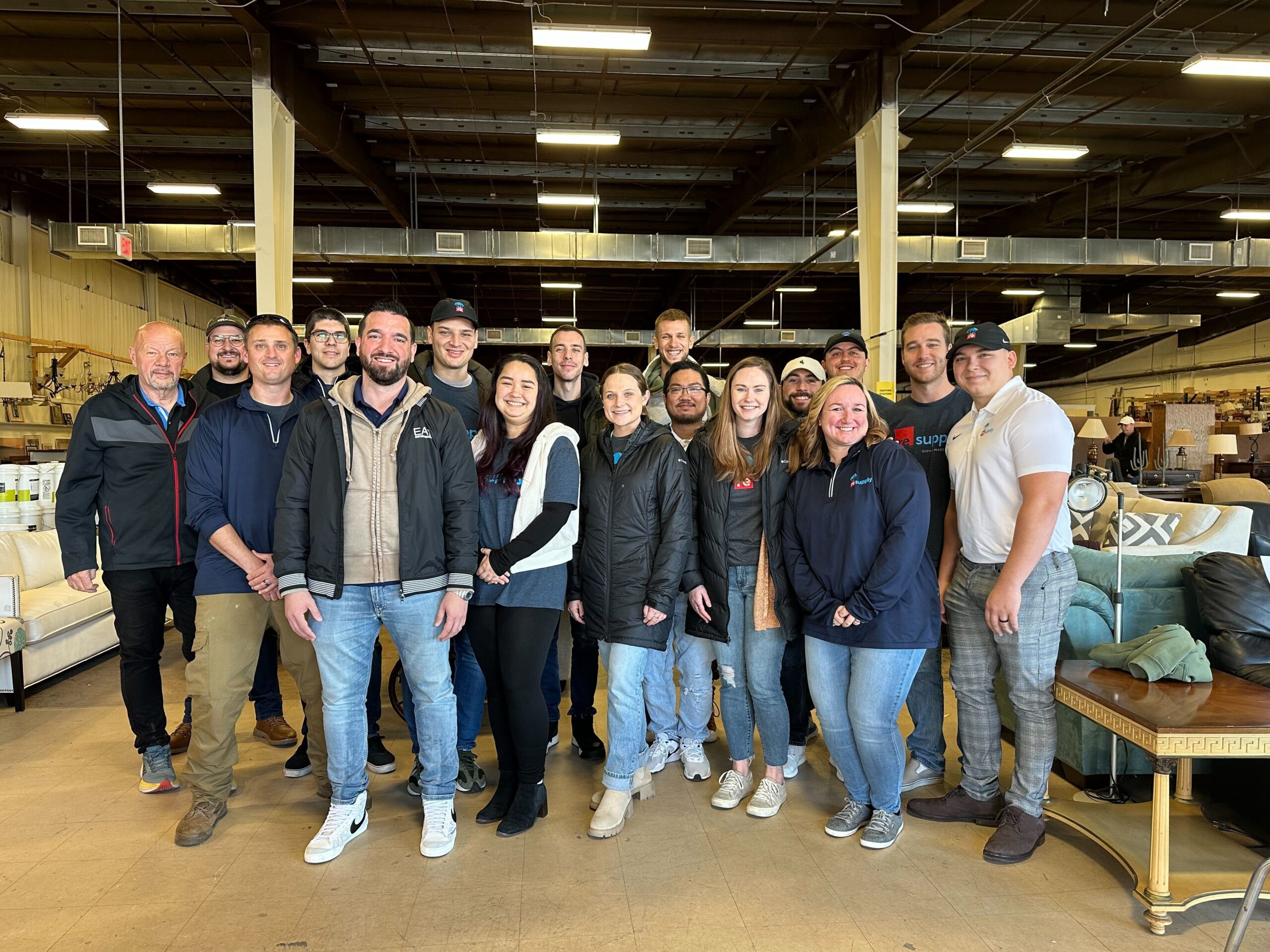
Some of the veterans now leading ReSupply came through this path. Nick Gonzalez, an Army veteran with 11 deployments, leads operations. Charles Appleby, a retired Army master sergeant, builds charity partnerships. Their stories are in From Military Service to Community Impact at ReSupply, and more veteran stories are publishing on the hub through Veterans Day.
Why does a tech company run a transition program?
Because it works for both sides. Employers who hire veterans report the payoff: in a 2024 SHRM Foundation report, 68 percent of HR professionals said veterans outperform civilians on work ethic, 61 percent said the same about teamwork, and 58 percent said leadership. The veteran unemployment rate was 3.5 percent in 2025 against 4.2 percent for nonveterans, according to the Bureau of Labor Statistics, and veterans are more likely than their nonveteran peers to hold management and professional roles.
For ReSupply, the program is also how the company stays close to its origin. Every participant who joins brings the same instinct that built the company: finish the mission, look out for the team, and serve the community you’re in.
How do I learn more?
Service members and veterans interested in the program can reach the team through ReSupply’s careers page. Learn more about the veterans behind ReSupply on the ReSupply Veterans hub, or read how the company works on the About ReSupply page. Donors can find answers in our Donor Resources.
Transition Program: FAQs
How many people has ReSupply’s transition program supported?
More than 400 veterans and service members, with a 95 percent lifetime conversion into full-time employment in the technology sector.
What is the DoD SkillBridge program?
SkillBridge is a Department of Defense program that lets eligible service members spend up to their last 180 days of service in civilian training, apprenticeships, or internships with approved employers while still receiving military pay and benefits.
What is ReSupply?
ReSupply is a home donation pickup service. Donors book online, vetted pickup teams collect furniture and household goods from the home, and items go to a local charity partner. Most pickups are completed within 24 to 48 hours. Donor support available 9 a.m. to 8 p.m. Eastern, seven days a week.