
Each year, about 200,000 service members leave the military and bring their leadership, skills, and commitment to service into civilian life. Many look for a new mission, not just a new job. At ReSupply, veterans help lead the work of getting donated household goods to charities nationwide.
Table of contents
- What happens when service members return to civilian life?
- Veterans bring their skills to civilian careers
- Programs that help service members take the next step
- What skills do veterans bring to civilian companies?
- Why mission-driven work matters for veterans
- How do veterans help lead ReSupply?
- Veterans behind ReSupply’s partnerships and operations
- How can you support veterans this Veterans Day?
- Frequently asked questions
What happens when service members return to civilian life?
Every year, about 200,000 service members transition to civilian life, according to Department of Defense estimates cited by the Government Accountability Office. They join a community of 17.3 million veterans nationwide, according to the Bureau of Labor Statistics.
Transition is a turning point. Service members trade a uniform and a unit for a new city, a new routine, and a new team. Many use that moment to choose work that carries their sense of purpose forward.
Veterans bring their skills to civilian careers
Veterans want work that puts their experience to use. In a survey by Syracuse University’s Institute for Veterans and Military Families, nine out of ten veterans said the opportunity to use their skills and abilities was the most important part of a civilian job.
Many are stepping into leadership roles. Among post-9/11 veterans, employed women were more likely than nonveteran women to work in management, professional, and related occupations (59.1% versus 48.8%), and employed men were too (41.8% versus 39.5%), according to BLS data for 2025.
Veterans aren’t looking for just any job. They’re looking for work that lets them lead, solve problems, and keep serving. The right role turns years of service into a head start in a new field.
Programs that help service members take the next step
Several programs help service members prepare before they separate. The Department of Defense’s SkillBridge program lets eligible service members spend up to their last 180 days of service training, apprenticing, or interning with approved civilian employers.
These experiences give service members a chance to test a civilian career before they take off the uniform. They also give employers a chance to see what a veteran can do on the job.
What skills do veterans bring to civilian companies?
Employers who hire veterans tend to see the payoff quickly. In a 2024 report from SHRM and the SHRM Foundation, 61% of HR professionals said veterans perform better or much better than civilians on teamwork. Another 58% said the same about leadership.
Here are some of the strengths veterans commonly bring to a civilian team:
- Leadership at every level. Many service members lead people and manage equipment early in their careers, often under pressure.
- Logistics and planning. Moving people, gear, and supplies on tight timelines is core military work.
- Steady performance in changing conditions. Veterans are used to adapting when plans shift.
- Mission focus and accountability. Getting the job done, and owning the result, is ingrained.
- Teamwork and camaraderie. Military units run on trust, and veterans know how to build it.
Why mission-driven work matters for veterans
For many veterans, a paycheck is not enough. Service gave their work a purpose that reached beyond themselves, and they look for that same sense of mission in a civilian career.
Companies that connect daily work to a bigger cause can offer that. When veterans can see how their work helps a community, the transition can feel less like an ending and more like a new assignment.
Mission-driven work also brings back something many veterans miss most: a team that pulls in the same direction. When everyone understands why the work matters, the habits veterans built in uniform, like planning ahead, looking out for each other, and finishing the job, fit right in.
How do veterans help lead ReSupply?
ReSupply is a Veteran-Founded home donation pickup service, and veterans help guide how the company works with charities and gets donations where they need to go. The work fits naturally: matching every pickup to the right vehicle and driver, and getting donated goods safely to charity, is a logistics mission at its core.
ReSupply was born on a military base. Its founder created a home pickup service to help military families in Georgia donate household goods they weren’t taking to their next assignment, instead of sending them to the landfill. Today, ReSupply has delivered $90 million in resources to charities, diverted 80 million pounds from landfill, and supports more than 3,000 charities nationwide.
Veterans behind ReSupply’s partnerships and operations
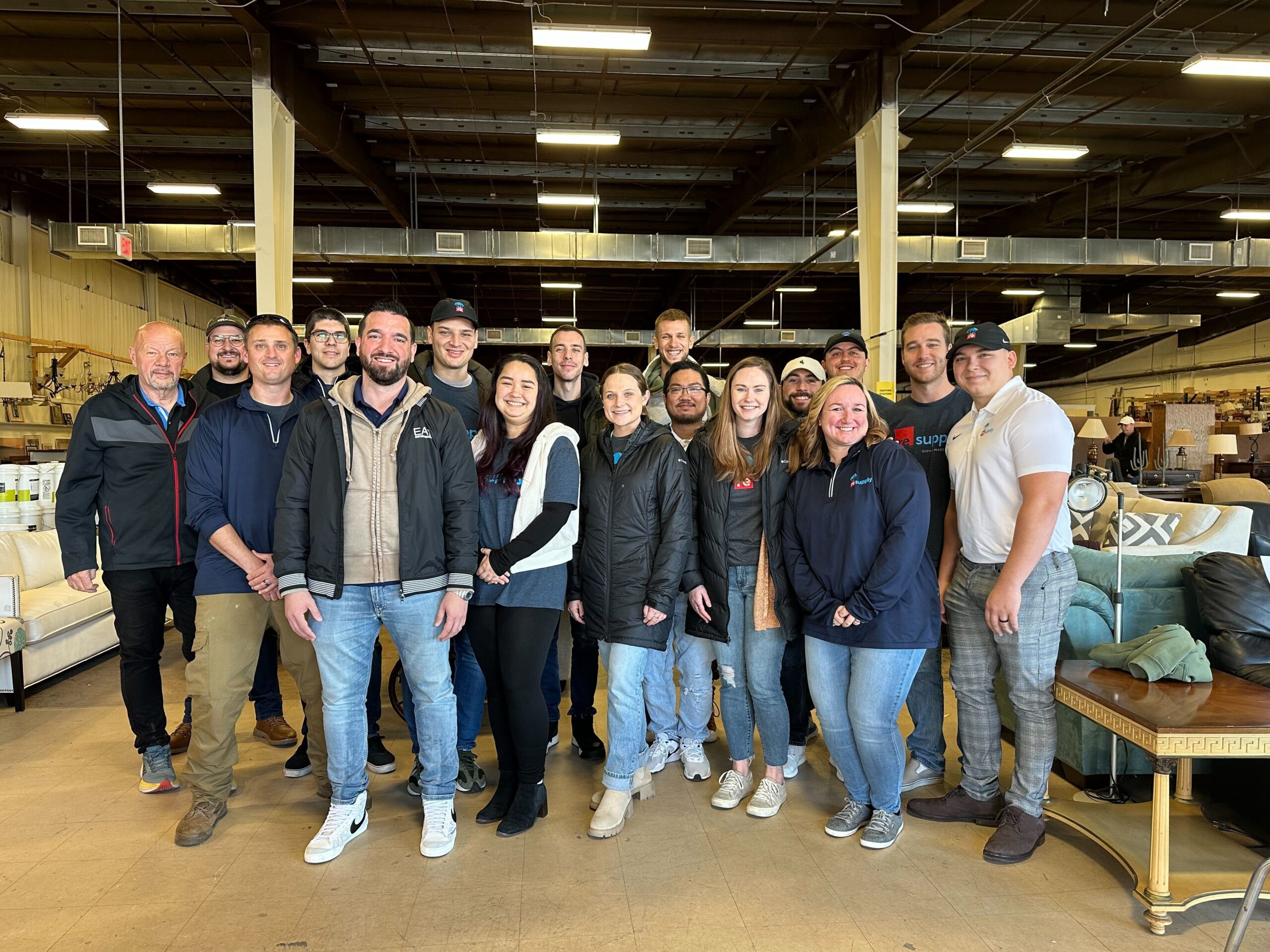
ReSupply’s team includes veterans whose careers span decades of service, multiple deployments, and leadership roles that ranged from leading small teams to training the next generation of soldiers. At ReSupply, they put that experience to work on two parts of the mission that keep donations moving.
- Building charity partnerships. Veterans on the team reach out to charities that aren’t yet ReSupply partners and show them how home donation pickup opens a new stream of donations. The goal is simple: help charities say yes to more donations.
- Running operations. Veterans also lead the coordination behind every pickup, supporting pickup teams, donors, and charity partners so donations are picked up and delivered efficiently.
Their paths to ReSupply look a lot like the transition paths described above. Some spent their final months on active duty gaining civilian experience with ReSupply before they retired. Others came through the close networks veterans build in uniform, introduced by fellow service members already on the team.
What keeps them here is familiar. ReSupply offers a shared sense of mission and the kind of camaraderie that comes from working alongside people with similar experiences. For many veterans, that matters as much as the work itself.
The mission is also easy to see. A single donation can help a charity partner put meals on the table, support a family’s housing, or create new opportunities for the people it serves. For veterans who spent their careers serving their country, getting those donations where they’re needed is a new way to keep serving their communities.
Ready to donate? Book a home pickup and we handle the rest.
How can you support veterans this Veterans Day?
Honoring veterans can go beyond a thank-you on Nov. 11. Here are a few ways to support the veterans in your community:
- Hire for skills, not just job titles. If you hire, look at what a veteran has led, managed, and delivered, and ask how it maps to the role.
- Support veteran transition. Mentor a transitioning service member, or explore whether your company can host a SkillBridge participant.
- Ask, and listen. Invite the veterans you know to share what they did in the service and what they want to do next. A conversation can lead to an introduction, a referral, or a new opportunity.
- Give back in your community. Donating household goods to local charities is one way to continue the spirit of service.
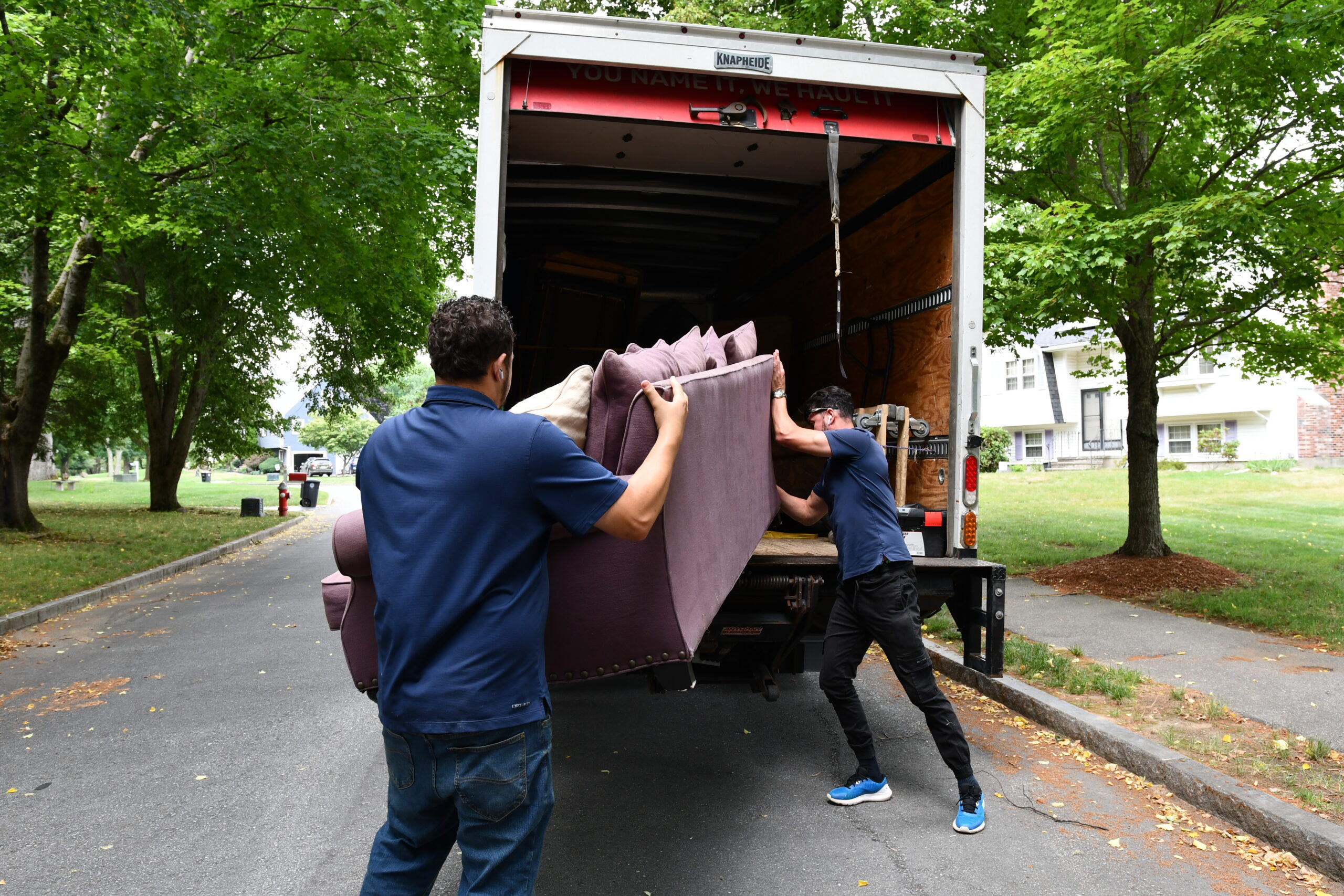
If you have furniture, home goods, or clothing taking up space, ReSupply makes donating simple. Book online, choose any item, any size, from anywhere in your home, and a vetted pickup team takes it to charity. For bulky pieces, the team handles the heavy lifting and the disassembly.
Learn more about how ReSupply works or browse our Donor Resources.
Frequently asked questions
How many service members leave the military each year?
About 200,000 service members leave the military each year, according to Department of Defense estimates cited by the Government Accountability Office. Many go on to civilian careers, school, or entrepreneurship.
What is the DoD SkillBridge program?
The DoD SkillBridge program is a Department of Defense program that lets eligible service members spend up to their last 180 days of service in civilian training, apprenticeships, or internships. It helps them gain work experience before they separate.
What skills do veterans bring to civilian jobs?
The skills veterans bring to civilian jobs include leadership, teamwork, logistics and planning, and a strong sense of accountability. In a 2024 SHRM report, most HR professionals rated veterans better than civilians on teamwork and leadership.
How does a ReSupply donation pickup work?
A ReSupply donation pickup works by booking online and choosing any item, any size, from anywhere in your home. ReSupply matches your items to the right vehicle and driver, and a vetted pickup team takes everything to charity.
When can I reach ReSupply’s donor support team?
You can reach ReSupply’s donor support team from 9 a.m. to 8 p.m. Eastern, seven days a week.